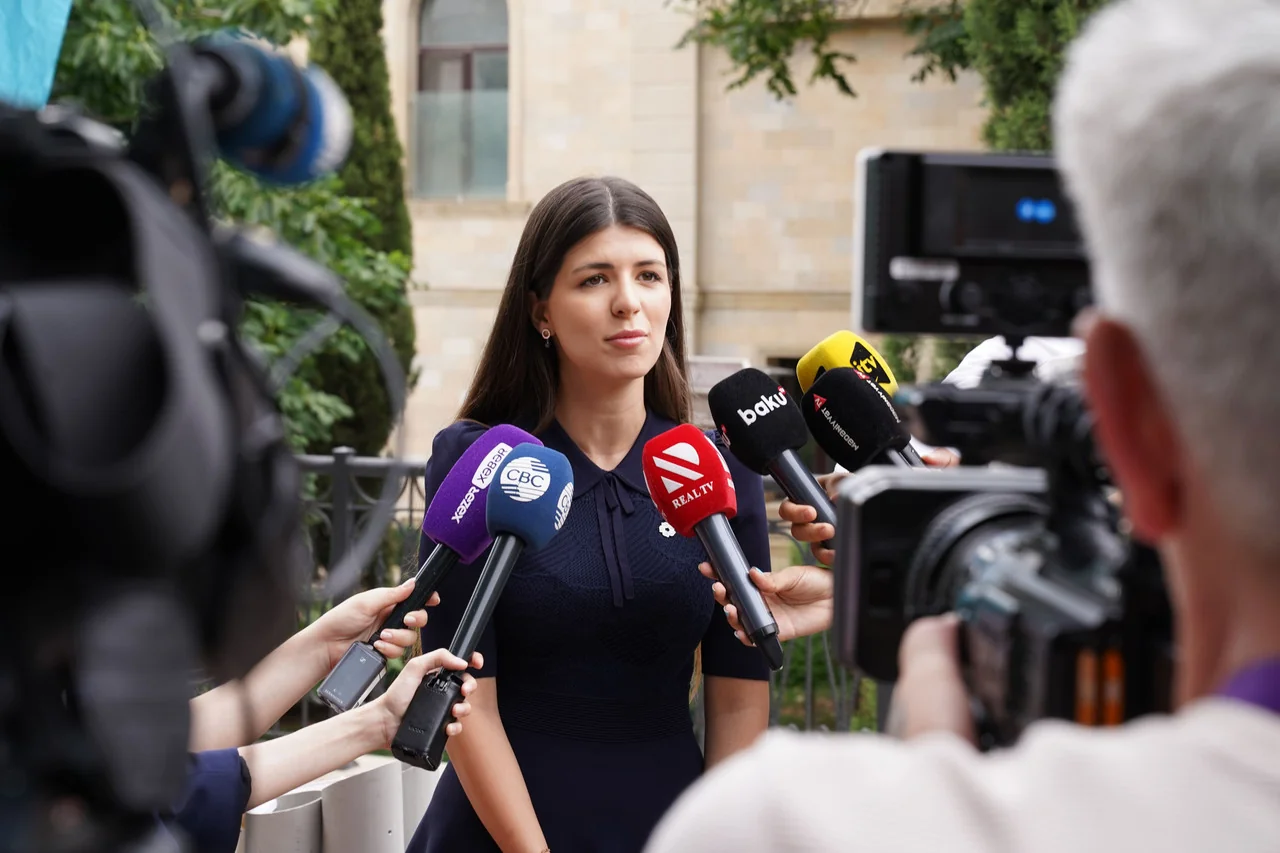
Government briefings need an accountable source, a precise public record and a room where questions can be heard. We can help plan and staff a press event commissioned by a public body, subject to its approvals and procurement requirements. This service is not an official government press room or a route to government credentials.
Decide who owns the announcement
Start with the responsible ministry, department, district office or public-sector body; its authorised spokesperson; the decision being announced; the audience affected; and the named officer who may clear facts and publication. Separate an agency-run event from a private event about government policy. Only the responsible authority can describe an event as official, issue its notice or approve use of its name and insignia. Any engagement, venue booking or subcontracted production remains subject to the agency’s own rules.
A practical briefing workflow
- Build the evidence file. Map each figure, eligibility rule, effective date and claim to the underlying order, notification, programme document or authorised data owner. Identify what is still provisional rather than presenting it as settled.
- Set the approval chain. Name a drafting lead, subject-matter reviewer and final approving officer. Record version numbers, approval decisions, the authorised release time and the contact who can resolve last-minute corrections. Do not distribute a draft because the stage is ready.
- Prepare speakers and questions. Agree the opening statement, who takes operational and policy questions, which details cannot yet be released and how unanswered questions will be routed back to the agency. Keep media questions on the record unless the agency and participants clearly agree otherwise.
- Run the day. Recheck approved files, venue access, microphone feeds and the question queue. Brief the floor team on camera positions, accessibility, interpretation where commissioned, and the procedure for changes or security incidents.
- Close the record. Give attendees the approved release and source documents; log what was distributed, when, and which factual questions remain open. Send corrections through the agency’s authorised channel rather than silently replacing earlier material.
Accreditation, security and protocol
Accreditation is agency-specific: confirm the policy with the organising press office for this event, including who may apply, required identification, deadlines, camera permissions, on-site verification and whether an existing press card is sufficient. A submitted RSVP is not approval; neither a private invitation nor our coordination confers official accreditation. We can maintain an agency-approved attendee list and operate a check-in desk within the agreed data-handling rules, but security personnel and the authority in charge make access decisions.
For orientation, consult the Delhi Directorate of Information & Publicity press room or the Madhya Pradesh state accreditation publication; neither source establishes the entry rules for a different agency or event. Confirm current instructions directly with the organising office.
Confirm the venue’s restricted areas, arrival route, accessibility plan, vehicle and equipment checks, emergency contact and any protocol for dignitaries or protected speakers with the responsible officials. Do not publish a restricted arrival detail or promise clearance before it is granted. For a non-government venue, confirm separately who pays for security, permits and production.
Bilingual materials and production
For a Hindi-and-English briefing, prepare matched releases, fact sheets, speaker names and designations, source links and a short glossary of technical terms. Have the agency’s language reviewer check that numbers, eligibility conditions and dates mean the same thing in both versions; label each approved version and make correction notices available in the languages distributed. Additional languages, interpreters and accessible formats must be agreed and resourced in the brief. We do not promise automatic translation or live captions.
Scope a venue around the actual briefing: an accessible entrance, suitable seating and sightlines, a press check-in point, reliable power and internet, lectern and question microphones, a clean audio feed for cameras, recording permissions and a fallback plan for equipment failure. Our team can coordinate suppliers, rehearsal, floor cues, media materials and post-event delivery when commissioned; venue hire, specialist AV, travel, interpretation and permissions are itemised separately. See press conference management, press materials and media outreach for the component scopes.
What the evidence-led approach looks like
Our Madhya Pradesh Ujjwala Yojana launch case study describes media coordination and scheme publicity aligned with an LPG-connection distribution event: the practical activity provided something concrete for the press and public to verify. The Madhya Pradesh Tourism roadshow case study describes targeted travel-media outreach, a press kit and on-site information kiosks. These are examples of documented communication work, not a claim of a continuing government appointment, official access or guaranteed media results.
If planning in central India, use the Bhopal planning page and venue comparison to frame local questions; venue availability and government access must still be confirmed with the relevant owners.
Frequently asked questions
Can you arrange access to an official government press conference?
No. An agency’s authorised press office controls official invitations, credentials and entry. We can support a separately commissioned agency-run event only when the responsible office approves our scope; a privately booked venue or an invitation from us never grants access to an official briefing.
Who approves the statement, translations and release time?
The commissioning agency’s designated approving officer approves the statement, translations and release time before anything is issued. We can draft and version materials, maintain a sign-off checklist and distribute only the approved final files under the agreed release instructions.
Can you accredit journalists for a government event?
Only the responsible agency can set and authorise its accreditation and entry policy. We can administer invitations, collect the information that policy permits and help run the approved check-in process; existing press credentials, event registration and site clearance are distinct requirements.
Do you guarantee coverage or an official venue?
No. Newsrooms decide independently whether to attend or publish, and the venue authority controls any official premises. We can coordinate an agreed venue, production and media logistics, with permissions, costs and availability confirmed separately in writing.
Discuss an authorised briefing
Contact the team for a consultation with the announcement, responsible agency, approving officer, city, proposed date, languages, access policy and required venue or AV support. We will scope the staff-arranged work and exclusions in writing before any booking; a consultation does not confirm an official event, media attendance or an agency appointment.