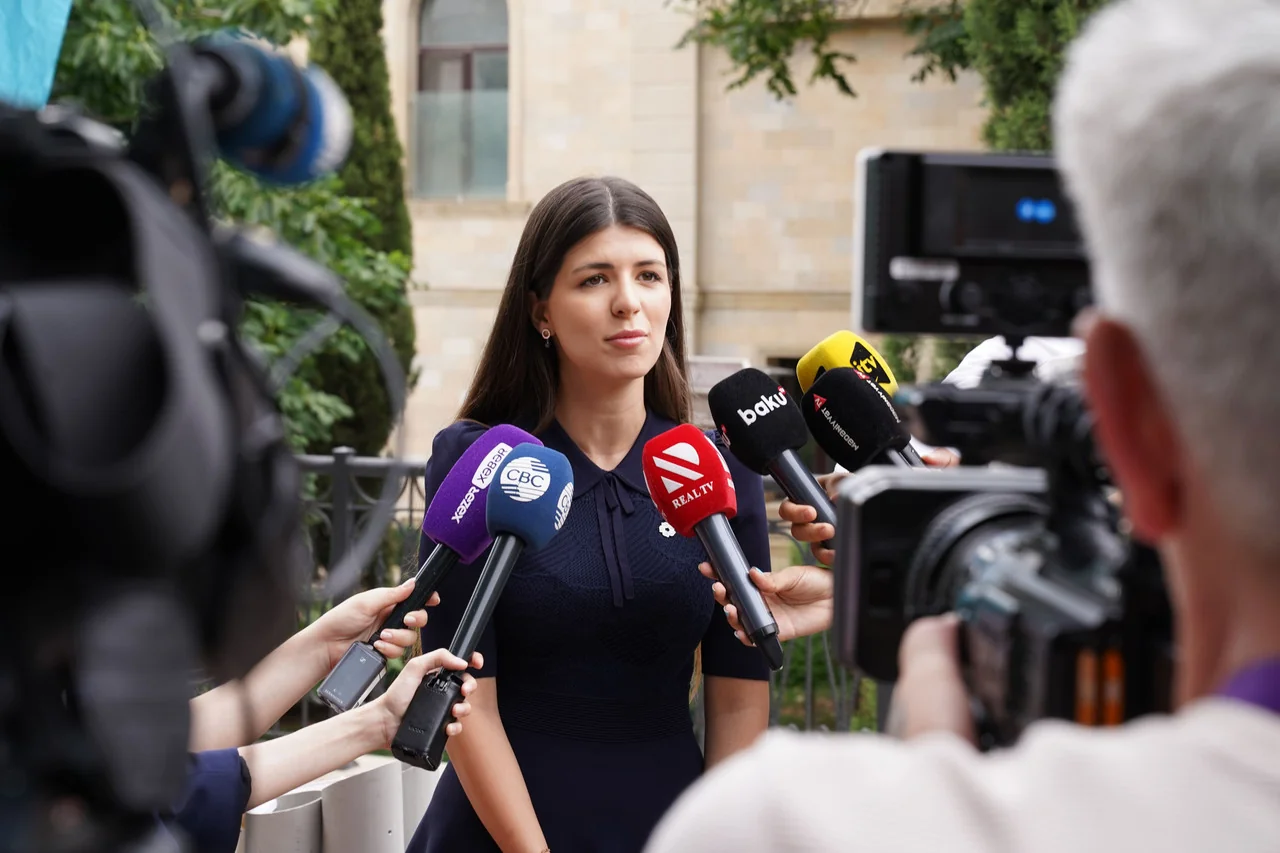
Startup product launch press conferences work best when the announcement, demonstration and evidence all describe the same product. We help scope the briefing, prepare materials and coordinate the room; journalists make their own editorial decisions.
Start with a launch decision, not a venue
Identify the actual news: a product becoming available, a meaningful release, a verified partnership or a financing event that may be disclosed. Write down who can use the product, where it is available, what it costs and which capabilities remain in beta. Decide whether a press conference is warranted: a hands-on demo and interviews may serve a specialised launch better than a stage presentation. Agree the audience, announcement date, approval owners and spending ceiling before booking production.
Build a demonstration journalists can inspect
- Pick one real workflow. Show the user problem, the input, the product response and the result in a few minutes. Use a working build and identify sample data rather than implying a mock-up is live customer activity.
- Rehearse on event equipment. Test accounts, network access, projector, sound, permissions and any device handoff. Have a backup video or screenshots ready, and disclose when the fallback is being used.
- Prepare for verification. State what is generally available, what needs a waitlist and what is on the roadmap. Give reporters an approved fact sheet, product images and a way to request a hands-on trial where access can be offered.
- Leave space for questions. Plan for limitations, pricing, privacy, security, competition and a failed live step; do not coach speakers to claim features they cannot show.
Check financing and other sensitive claims
If funding is part of the news, confirm whether the round has actually closed, the amount and currency, investor participation, permitted valuation language and any restrictions on disclosing terms. Reconcile the release, founder remarks, slides and FAQ against the same approved figures. Obtain company, legal and investor sign-off before distribution; do not convert a target raise, term sheet or conditional commitment into a completed round. Apply the same discipline to customer counts, revenue, partnerships and performance comparisons: date the figures, define the metric and retain the supporting source.
Brief relevant tech journalists and founders
Identify reporters by beat and audience—product category, startup financing, enterprise technology or local business—rather than treating every technology desk as interchangeable. Offer a concise pitch explaining what changed, why it matters now and what can be demonstrated. Where an embargo is appropriate, agree its terms before sharing unpublished material; an embargo request is not a guarantee of acceptance. Set founder interview windows with enough time for substantive follow-up, assign a spokesperson for technical details and route questions the team cannot answer to an owner with a clear follow-up deadline. Provide approved biographies, screenshots, product facts and contact details; avoid sending private customer information in a demo account or press kit.
Match the format to runway and budget
Set a maximum spend in relation to cash runway and competing launch needs, then cost the essentials separately: venue, travel, demo equipment, connectivity, accessibility, photography, press materials and any production partner. A small briefing, remote interview schedule or shared demo session can reduce overhead when a full conference would absorb too much budget. Scope supplier fees and contingency in writing; decide in advance who can approve extra spend. An event is a communications expense, not evidence of market traction or a substitute for product readiness.
If a product demonstration is central to the story, review the launch invitation and RSVP scope before confirming an announcement time.
Coordinate the announcement clock
Use one run-of-show with a single time zone, named owners and an approval checkpoint for the final release, product page, pricing and demo build. Check that public links and access actually work before the lift time. Brief registration and speaker teams on the order of opening remarks, live demonstration, questions and interviews; assign someone to handle remote requests and someone to log unanswered questions. Distribute only the approved version at the agreed time, record who received it and correct any material error promptly across all channels. Have a fallback if the demo or venue connection fails, without presenting a prerecorded walkthrough as live use.
Agree deliverables you can verify
A written scope can specify planning calls, a run-of-show, approved release and fact sheet, demo rehearsal, targeted invitation handling, interview scheduling, on-site coordination and a post-event handover of materials, attendance and follow-up items. Venue, travel, equipment, recording and additional languages should be explicit line items where needed. We cannot promise journalist attendance, favourable articles, investment, sign-ups or sales. Automated coverage measurement and a self-service journalist portal should not be assumed; see the Trust Center for capability status.
Plan your launch briefing
Share the release date, city or remote format, product availability, demo requirements, approved claims and budget ceiling through the briefing form. We can discuss a proportionate plan and provide a written scope before anything is booked. For adjacent work, see press conference management, media outreach and press materials.
Frequently asked questions
What should a startup demonstrate at a product launch press conference?
Demonstrate one working user journey that supports the announcement. Prepare a short live path, a tested backup recording clearly labelled as such, a test account with appropriate permissions and a spokesperson who can explain what is available now versus what is still planned.
Can we announce a funding round before it closes?
Do not describe a funding round as closed until the company has confirmed the closing and approved the exact amount, currency, investor names and permitted terms. If a transaction is proposed or subject to conditions, say that plainly; obtain legal and investor approval for any public statement.
Will tech journalists attend or publish our launch?
No attendance or coverage can be guaranteed. We can scope relevant outreach, prepare a useful briefing and coordinate interview requests, but journalists decide independently whether the news fits their readers and whether to report it.
What if our runway is too short for a large launch event?
Choose a smaller briefing or targeted interview programme if venue and production costs would displace more urgent product or customer work. Set a spending ceiling first, then compare a physical event, a modest demonstration and remote interviews against that ceiling; a large room is not a prerequisite for a credible announcement.
What will we receive after the event?
The agreed handover can include the final approved materials, distribution and attendance records, interview follow-up notes and a list of outstanding journalist questions. The exact items, ownership and timing belong in the written scope; publication, sales, funding and automated coverage measurement are not promised deliverables.