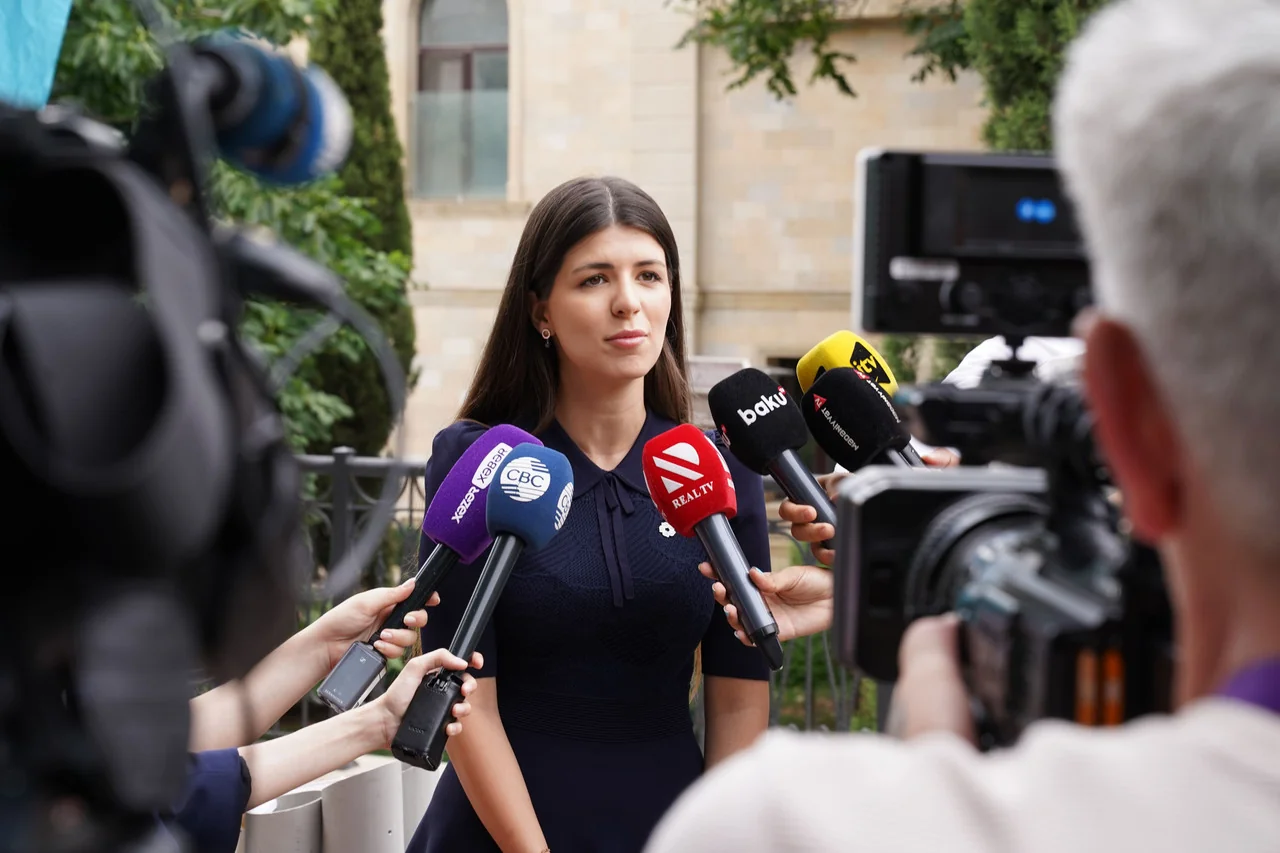
NGO nonprofit press conference management starts with a newsworthy, checkable point. We plan media briefings around the programme, the people affected and the action audiences can take, while keeping safeguarding and the organisation’s resources in view.
Awareness and fundraising announcements
Define the news first: a programme opening, research finding, service change, public-awareness initiative or fundraising appeal. An awareness briefing should explain the problem, the local relevance and where people can get reliable help. A fundraising briefing should identify the registered organisation, the purpose of the appeal, the authorised donation route and how funds will be accounted for; it must not imply donations or press coverage are guaranteed. Agree on one spokesperson for the programme facts and another for operational or financial questions where needed.
Build a short media advisory, an approved release and a fact sheet with source contacts, dates and links. Invite reporters whose beats actually match the issue, including community and regional desks. A smaller, well-briefed group can be more useful than a broad untargeted list.
Safeguarding, privacy and consent
Beneficiaries are not campaign props. Do a risk review before inviting anyone to speak or appear in images: disclosure of a location, health condition, immigration status or experience of abuse can cause harm even when a first name is omitted. Explain the purpose, format, potential publication and limits of control in language the person understands; document specific, freely given consent and a route to withdraw from the event before publication. Participation must not be tied to access to support. Apply the organisation’s child-protection policy and relevant law; do not arrange identifying interviews or imagery of children or at-risk people simply to make the story more compelling.
Offer alternatives: an authorised programme lead, a composite-free anonymised explanation of the need, or statistics that do not identify individuals. Brief photographers and journalists on agreed access and no-filming areas, and avoid promising that third-party coverage can later be removed.
Regional-language outreach
Map the communities and districts the announcement affects, then choose local-language outlets and formats accordingly. Translate the core facts, eligibility conditions, service contacts and donation instructions; have a fluent programme reviewer check meaning rather than relying on a literal translation. Make a regional-language spokesperson available, send materials in time for local deadlines and ensure the same figures and caveats appear in every version.
Impact claims journalists can verify
For each proposed figure, record its source, reporting period, geography, definition and person responsible for sign-off. Distinguish money raised, services delivered and people reached from an evidenced change in people’s circumstances. If a number is an estimate or self-reported, say so. Do not turn an objective into an achieved outcome or imply that a press event caused an improvement. Supply a concise methodology and link to a public report where available; if the evidence cannot be shared or checked, remove or qualify the claim.
A practical, lean run of show
- Scope: agree the announcement, target audience, permissions, approval owner and a realistic spend ceiling.
- Prepare: verify claims, review consent and safeguarding, translate the essentials, and rehearse difficult questions about funding and results.
- Brief: use an accessible venue or a simple remote format, provide a brief opening statement and allow time for questions; avoid unnecessary production costs.
- Follow up: share the approved materials, answer corrections promptly and record actual coverage separately from donations, attendance or programme outcomes.
Media attendance and publication remain editorial decisions. We can coordinate the briefing and follow-up, but neither coverage nor fundraising totals should be sold as a promised result.
Related work
See the existing UNFPA Samriddhi launch case for a documented development-programme announcement. The case describes the brief and media activity; its narrative should not be treated as independent verification of programme outcomes. For broader planning, see press conference management, or start a briefing with your announcement, location and safeguarding requirements.
Frequently asked questions
How do you plan an NGO press conference on a lean budget?
Start with one clear announcement, a modest accessible venue or online briefing, and a short list of relevant local and specialist journalists. Reuse a verified fact sheet and approved spokesperson briefing across invitations, the event and follow-up; budget for interpretation or accessibility before extras such as staging.
Can beneficiaries speak to the media at a nonprofit event?
Only when participation is voluntary, informed and safe, with specific consent for the interview, photographs and intended uses. Explain that coverage may be redistributed, offer an option to decline without affecting services, avoid identifying children or people at risk, and provide a spokesperson or anonymised account instead when appropriate.
How should an NGO report impact figures in a press release?
Publish only figures the organisation can trace to a defined source, period and method, with the relevant limitations. Separate programme outputs, such as people enrolled, from outcomes, such as independently assessed changes; have the programme owner approve each claim before briefing journalists.
How do you reach regional-language media for an awareness or fundraising announcement?
Prepare a locally relevant, reviewed translation of the core facts and give regional-language reporters an available spokesperson who can answer follow-up questions. Check place names, programme terms and donation instructions in each language, then contact outlets whose audiences overlap the communities the announcement concerns.